By Ernest Heatly
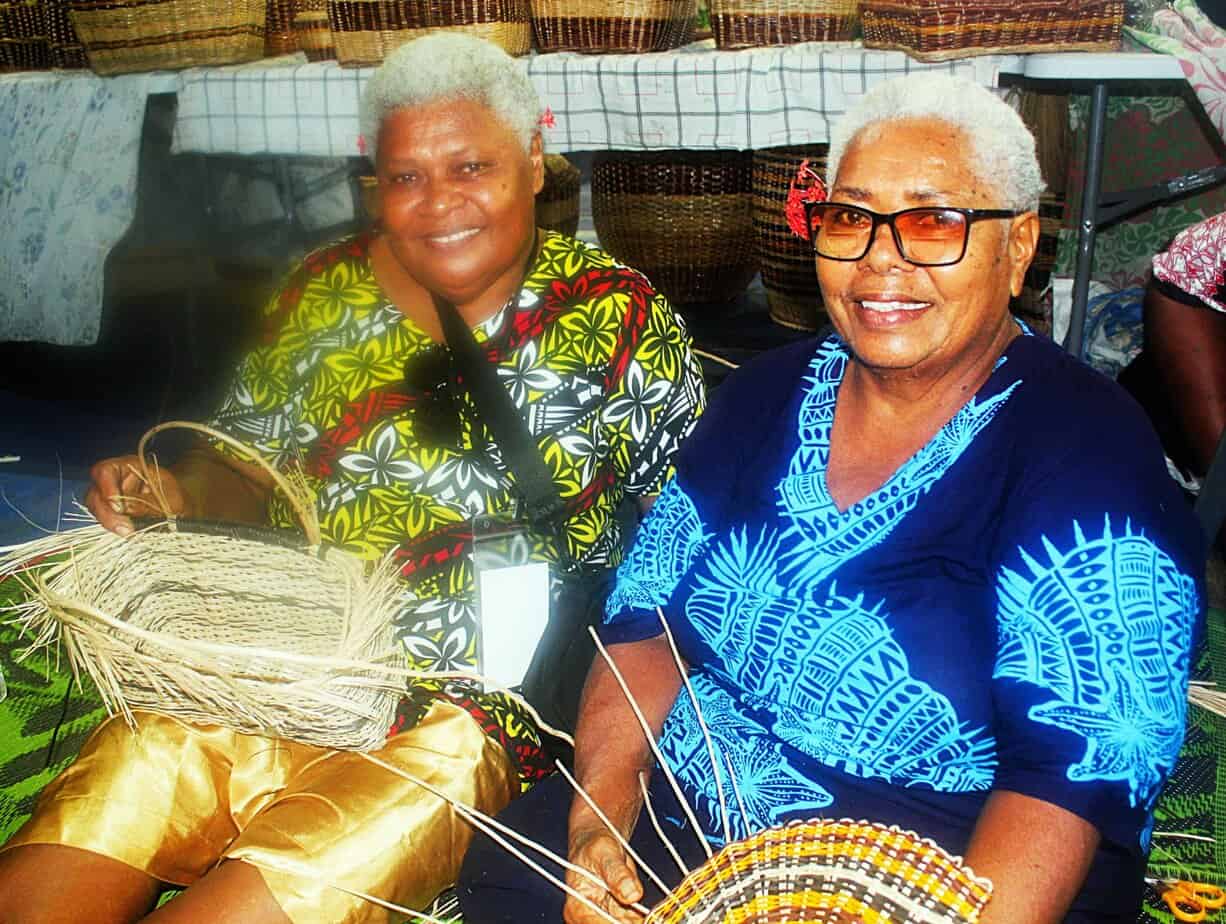
Remarkable women from Nakera, in Cakaudrove, Vanua Levu are weaving their way to national prominence. With skilled hands and generations of knowledge, they have transformed their traditional craft into an art form that is not only breathtaking, but also a crucial source of income for their families.
At the core of their craft is the sturdy and versatile “Wa Mere” plant, a rare creeping reed found only in the Cakaudrove region, which has become the secret to their success.
“We create baskets of all sizes from the Wa Mere plant. We are very blessed to have this plant growing in our area, and it has allowed us to make baskets and other handicrafts that generate a good income for our families,” said Sera Sekelala, one of the skilled weavers of Nakera.
However, obtaining Wa Mere is no easy task. The plant grows only at specific elevations, requiring the women to embark on challenging journeys to harvest it. Often, they hire vehicles to reach the site, and even then, they must trek through the terrain before they can gather their materials. “We go with our sons, daughters, and husbands, who help bring sacks of Wa Mere down. Then, we begin the process of preparing them for our handicraft,” Sekelala explained.
Once harvested, the vines undergo an intricate process of cooking, sun-drying, and preparation before they can be woven into baskets, flower vases, or other stunning creations. Their baskets, renowned for their durability, can last up to 60 years— far longer than those made from voivoi (pandanus leaves), which
typically, last only a few years.
Sekelala and other weavers from Vaturova attended the most recent Fiji National Women’s Expo in Suva, where their crafts were beautifully displayed. “From the time of our grandmothers, baskets made from vines have been our source of income,” she said proudly.
Despite the high quality of their work, these women still face challenges when it comes to selling their products. They rely on word of mouth, friends, and relatives to secure customers, as they do not have access to formal marketplaces. However, their dedication has allowed them to make a respectable income of around $400 to $500 per week from basket sales.
“Money earned from baskets has helped us support our families financially, put our children through school, and cater for other expenses,” Sekelala shared. The support of their husbands has played a crucial role in their business, as they assist in collecting materials and transporting finished products.
One of the most remarkable aspects of their craft is the use of natural dyes derived from turmeric and mangrove wood (dogo), ensuring their products are completely organic. This dedication to sustainability has only increased the appeal of their work.
Salanieta Marama of the Fiji Arts Council praised the women of Vaturova for their exceptional craftsmanship, noting that their baskets stand out as unique Fijian products. “What we have seen is the quality of their work improving year by year. Their handicraft is certainly eye-catching, and they have practical use,” she said.
The women of Nakera and surrounding villages in Vaturova, including Nayarabale, Seavaci, and Vaturamulo, have embraced this craft as their primary means of livelihood. The Fiji Arts Council currently has around 50 women from Vaturova registered,though the actual number of women relying on this traditional craft is believed to be even higher.
Adi Niqa Tuvuki, a retired Cultural Development Officer with the Fiji Arts Council, highlighted the cultural significance of the Wa Mere plant, referring to it as their “yau ni vanua” (a treasured natural resource of Vaturova). “The sheer variety of creations the women now make is astounding, from practical baskets to flower vases and even intricately woven hand fans,” she said.
Tuvuki emphasized that the skills these women possess have been passed down through generations, ensuring the survival of this remarkable art form. “I would go as far as to say that they are the stars of the Fijian handicraft scene today. Their work has been outstanding and continues to get better every year,” she added.
For now, the women of Nakera and Vaturova continue to thrive, selling their Wa Mere-derived products to resorts, hotels, and individuals across Fiji. Some have even expanded their reach by leveraging online platforms such as Facebook, allowing them to connect with a wider audience.
As they weave their way to success, these talented artisans are not only preserving their cultural heritage but also securing a brighter future for their families and communities. The women of Nakera are a true testament to the power of traditional craftsmanship, resilience, and the unwavering spirit of Fijian women.