By Saruul Enkhbold
When the opportunity to travel to India arose, I wondered: what could I possibly experience in just one week? Southern India was out of the question — the climate would be too similar to that of Fiji, where I was living. I craved cool temperatures, clean air, and the visage of mountains — something that would remind me of my homeland, Mongolia. I knew then: the mountains were calling me for an epic journey.
My adventure began in Nadi, leading me through Singapore and onward to Delhi. From there, most travellers head directly to Dharamsala via a short domestic flight to Kangra Airport. But I chose a different path — one that would allow me to see the landscapes of the Indian state of Himachal Pradesh change gradually before me.
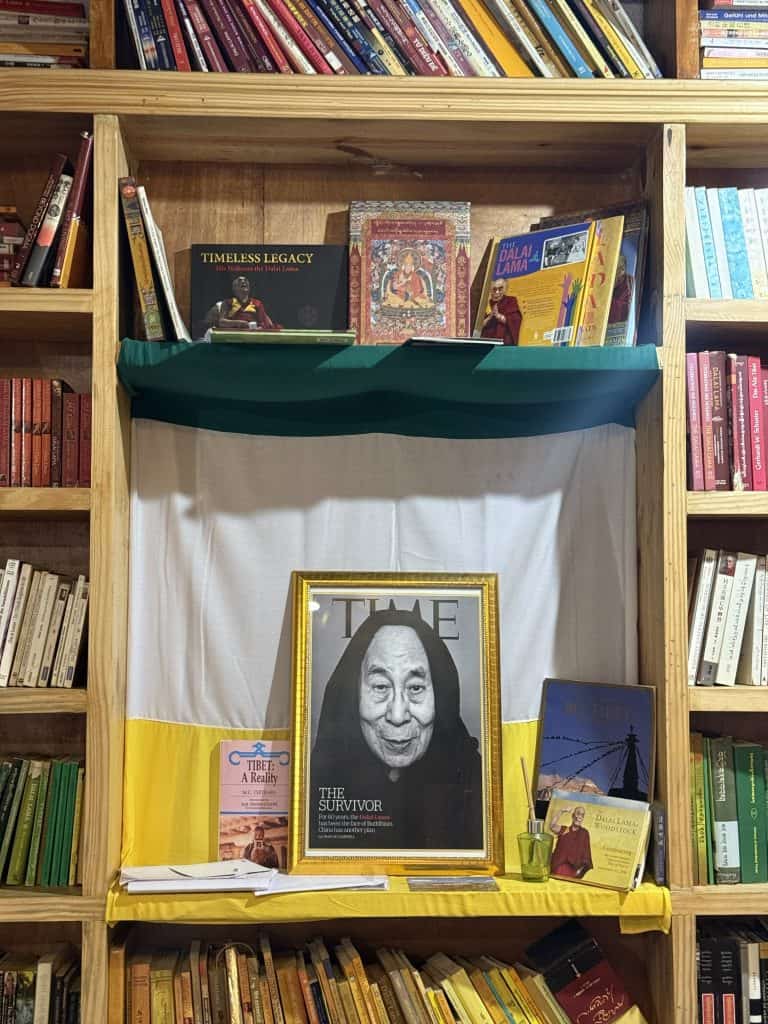
I boarded an express train from Delhi to Kalka in the Himalayan foothills, then hopped onto the historic “toy train” — a narrow-gauge UNESCO heritage railway that travels slowly up to Shimla. From there, a riveting, slow drive along winding mountain roads brought me to McLeod Ganj in the Tibetan district of Dharamsala, nestled amongst the Himalayan peaks. McLeod Ganj is famed for its monasteries, meditation centres, and spiritual retreats. Most importantly, it is the home of His Holiness the 14th Dalai Lama, Tenzin Gyatso, and the centre of the Tibetan government-in-exile.
My first morning there was unforgettable. I awoke to the sight of the snow- capped peaks of the Dhauladhar mountain range, standing majestically under the clear blue skies. The crisp mountain air was laced with the gentle sounds of prayer chants from a nearby nunnery — a peaceful air that felt a world away from the constant honking and bustle of Delhi.
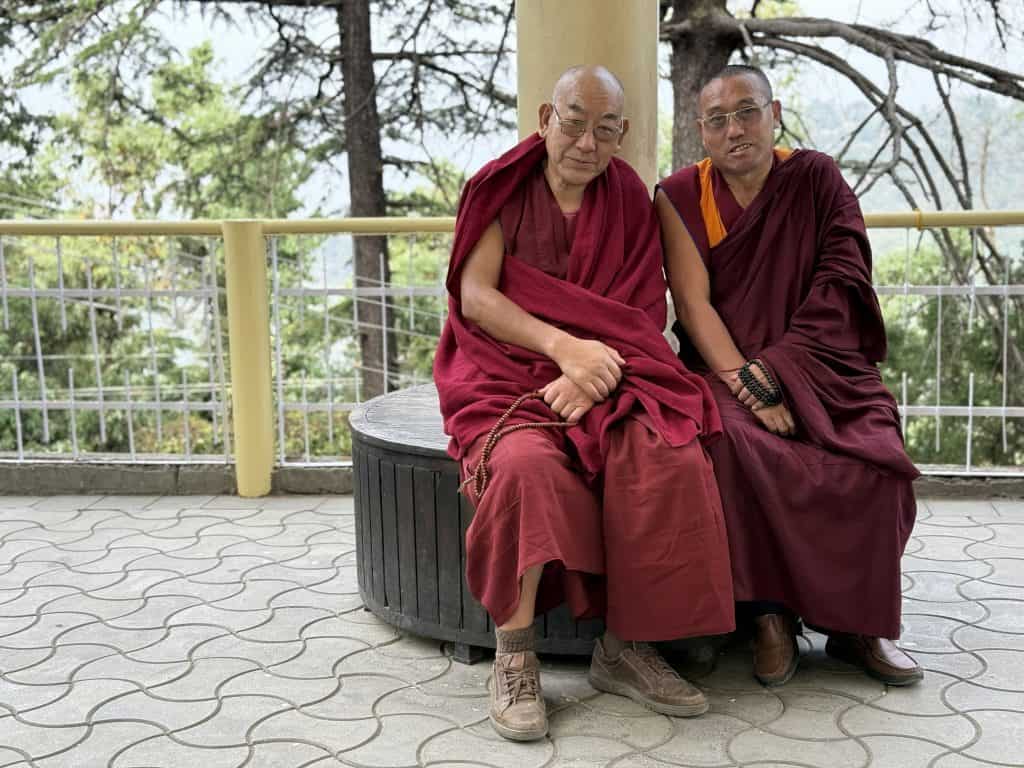
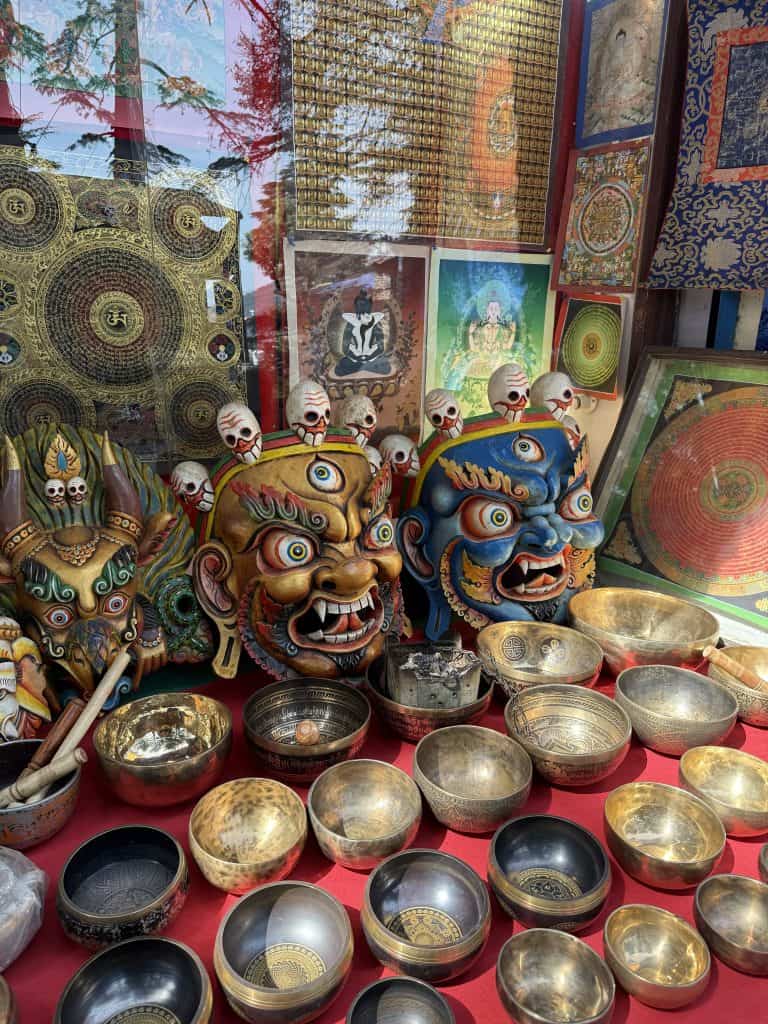
Wandering through the town, I couldn’t help but notice how entrepreneurial and modern the Tibetan community is. The streets were lined with Tibetan handicraft shops and cozy cafés, where monks in maroon robes sat peacefully enjoying their lattes.
At lunchtime, I ducked into a small “hole-in-the-wall” eatery and treated myself to a steaming plate of buffalo momos, followed by a scorching cup of butter milk tea — a high-altitude staple of Tibetan herders.
After the hearty lunch, my body craved rest, and I stumbled upon the Kalachakra Temple. Inside, monks were deep in their daily prayers. I sat quietly, taking in the peace that seemed to hum through my body. Afterward, I did a round of the prayer wheels that surround the temple. Inside, I was greeted by friendly monks preparing Torma — ritual offerings made of barley flour for deities, spirits, and protectors.
After a few days of acclimatising and soaking in the slow rhythms of McLeod Ganj, the day I had been waiting for finally arrived — an audience with His Holiness the Dalai Lama.
Security was extremely tight. We weren’t allowed to bring any belongings — no phones, no cameras, not even a hairpin. In a way, it felt perfect. Without technological distractions, I was able to be fully present.
As we were escorted into the courtyard — His Holiness prefers to receive visitors outdoors on sunny days — an overwhelming sense of excitement engulfed me. He arrived in his electric cart, radiating kindness and serenity, a rare blend of profound wisdom and simplicity.
When I approached him, I was introduced. He looked directly into my eyes. It felt as if he were seeing beyond the surface — seeing that I was in need of guidance. Then, smiling warmly, he reached out and gently touched my cheeks with his right hand. His touch was soft, warm, and deeply familiar — like the comforting embrace of someone I’d known forever, though we had just met. I couldn’t hold my tears of joy, as it touched something eternal within me
In that moment, time stood still. The chaos of the world faded away. I was left with a profound realisation: true peace begins within.
After the audience, I wandered slowly through the peaceful grounds of the Tsuglagkhang Complex, home to His Holiness and the spiritual heart of the Tibetan exile community. Prayer wheels spun gently in the mountain wind. Pilgrims who made long journeys, prostrating themselves with devotion, were whispering prayers as they made their rounds. Everywhere, there was a deep, abiding sense of resilience, hope, and compassion.
As my journey drew to an end, I found it difficult to leave McLeod Ganj. The town had not only offered me majestic mountains and serene temples — it had given me a glimpse into a deeper way of living, one rooted in kindness, forgiveness, and presence.
Travel, at its best, does not just show us new places — it transforms us from within.
As I left the foothills of the Himalayas and made my way back toward the crowded cities and bustling airports of the world, I couldn’t help but reflect on the challenges ahead for McLeod Ganj in the world of mass tourism, Instagram obsessions and pollution from car fumes, traffic, and a haze of selfies.
The modern world intruded and yet, I carried a silent promise in my heart: to hold onto the peace I found in McLeod Ganj, and to let that blessing guide my steps, wherever the journey may take me next.
Getting There:
To reach McLeod Ganj, most travellers opt for a domestic flight into Dharamsala (Kangra Airport), which is around 30 km away. From there, you can take a taxi or a local bus to the town.
However, if you’re looking for a more adventurous route (as I did), you can take a train from Delhi to Kalka, followed by the famous Shimla toy train. This journey, though longer, offers a beautiful view of the changing landscapes as you move into the foothills of the Himalayas.
Best Time to Visit:
The best time to visit McLeod Ganj is between March and June when the weather is cool and pleasant. However, if you’re looking for snow, December to February is ideal, as the Dhauladhar range is blanketed in white.
Quick Tips
- Audience with the Dalai Lama:
If you wish to attend one of His Holiness’ teachings or public audiences, it’s advisable to check his official schedule on the Dalai Lama’s website. Registration is often required, and there is no guarantee of an audience, so it’s essential to plan ahead. Public teachings are generally free, but you may need to arrive early to secure a spot.
- Respectful attire:
While in McLeod Ganj, dress modestly, especially when visiting temples and monasteries. Loose, comfortable clothing is ideal for trekking, but always cover your shoulders and knees when entering sacred spaces.
- Walking around town:
The town is small, and most of the main attractions can be reached by foot. Wear comfortable shoes for wandering the narrow lanes, as some paths, especially up to Triund, can be steep.
- Local cuisine:
Don’t miss out on Tibetan dishes like momos (dumplings) and thukpa (noodle soup). Many cafés also offer Western options, but sampling the local flavours is part of the experience.
- Cash:
While ATMs are available, it’s always a good idea to carry cash as some smaller shops and guesthouses may not accept cards.