By Donna Hoerder
For Canadians Danielle and Claude Prevost, what started out as an adventure through the South Pacific, has seen them put down roots in sunny, fertile Taveuni and create a product that is as impactful as it is beautiful.
The Prevosts traded careers in advertising and graphic design for the pearl trade, building on Claude’s background in marine biology and business management, and skills he picked up in the Gambier Islands of French Polynesia.
“I had studied biology in university and was completely fascinated by what I was seeing. A seed was planted that day. We continued our trip in the South Pacific afterwards until we stumbled on Fiji. We were immediately taken by the charm and decided to stay a while,” recalled Claude.
They subsequently managed to secure a “16-year relationship with the Vanua of Wainikeli Bouma for the long-term management of the commercial marine protected area surrounding the pearl farm.”
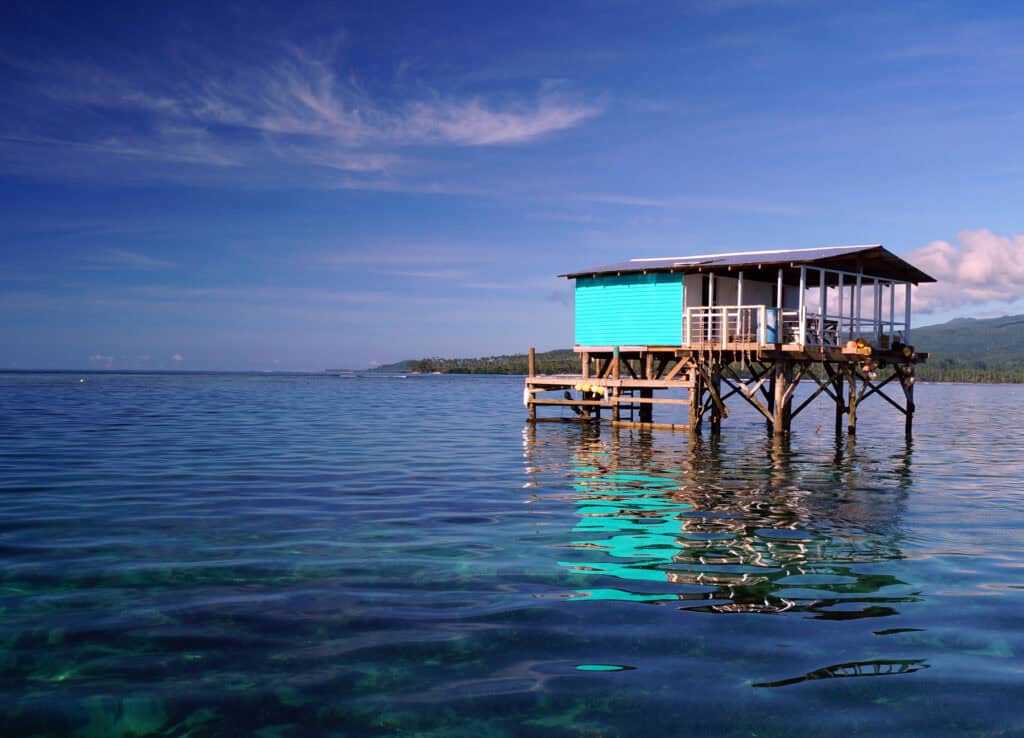
Civa Fiji Pearls has been in operation since 2007. It is now Taveuni’s sole pearl farm, after Cyclones Winston and Tomas ripped through six other operations on the island.
“The challenges are multiple and mostly environmental. Between high water temperatures, freshwater floods and cyclones, we have been kept busy finding solutions to mitigate these variables,” Claude told Fiji Traveller.
Situated 40 minutes from Matei Airport, the pearl farm has nine full time employees. During each harvest, two additional staff from Japan join them for grading of pearls.
Tapping into the local market
In the early years of harvesting, Civa Fiji Pearls was exporting to Europe and Japan, with some sales at local resorts. However, this changed in the early 2020s.
“The Fijian market is almost limitless. There are almost one million travellers coming to our shores looking for an authentic Fijian gift to buy. The local pearl sales to tourists are a huge market and is completely undeveloped. This is our target for the future years. We will increase our local partnerships,” Claude said.
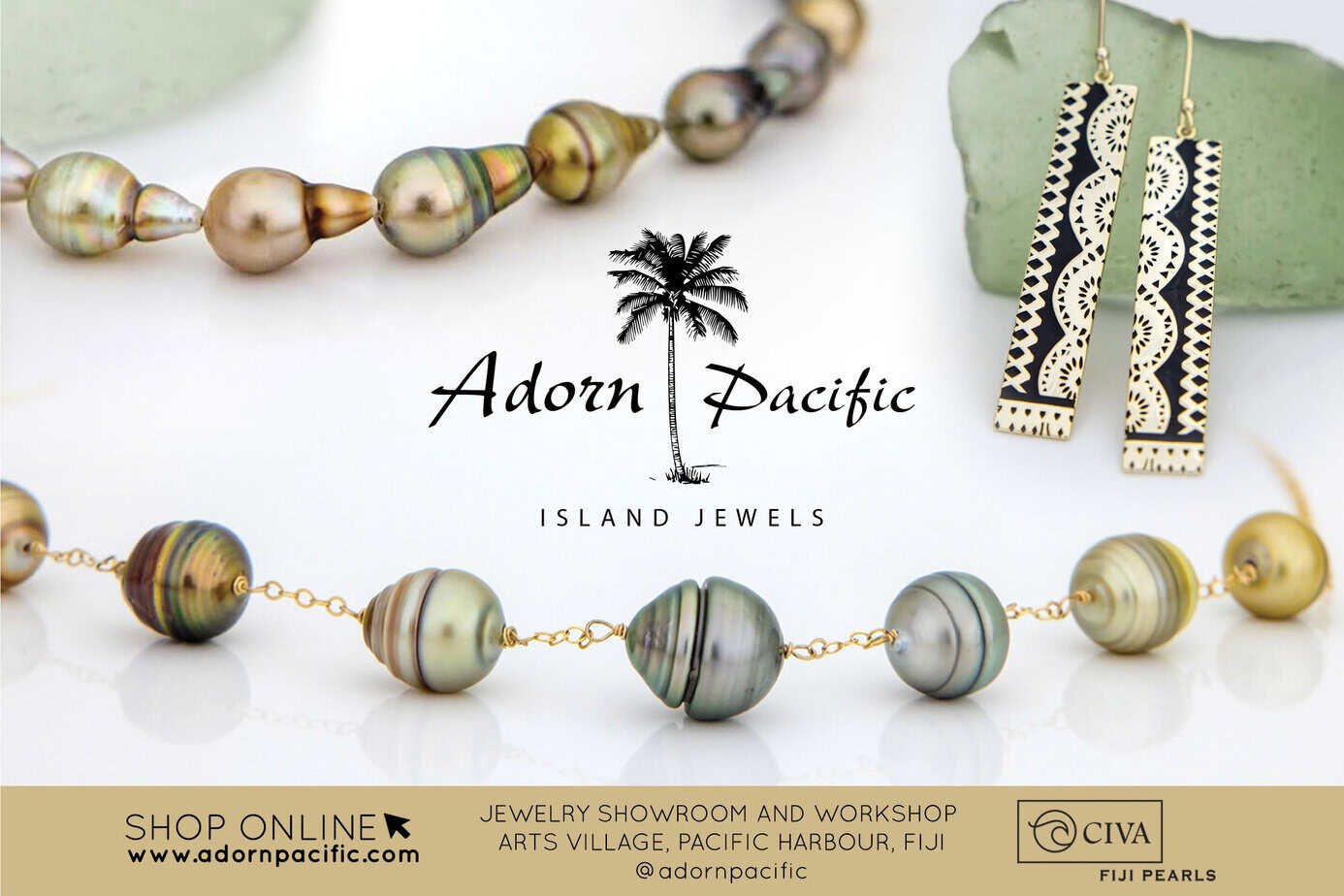
Pacific Harbour-based Adorn Pacific, uses Civa Fiji Pearls in its creative designs. And now, a partnership with Jack’s of Fiji will see new products using the pearls launched across the retail chain.
Giving back to the community
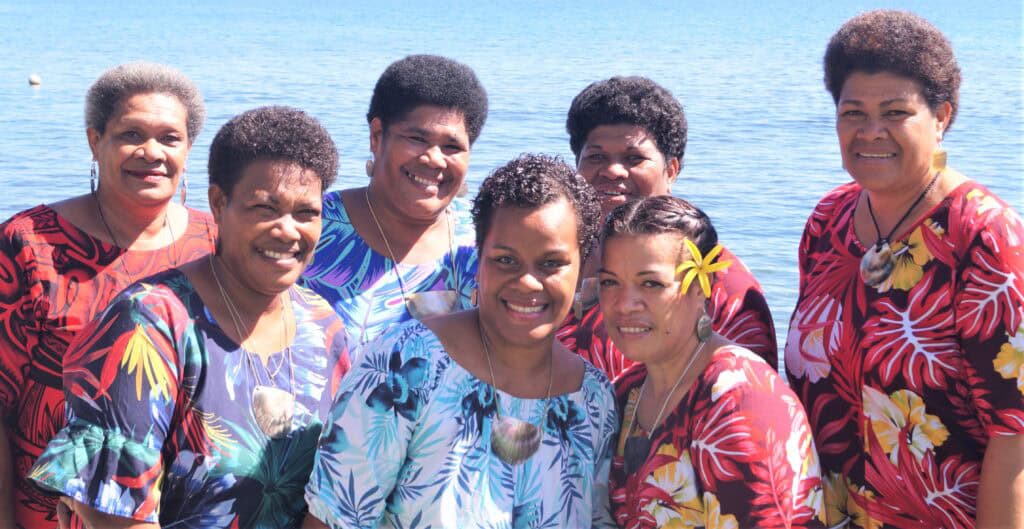
But Civa Fiji Pearls is not just about creating luxury items. In 2018, a training centre for the Somosomo Women’s Club was established giving women of Somosomo Village the opportunity to produce pearl jewellery and other mother of pearl shell crafts. Initially supported by the University of Sunshine Coast, Civa Pearls, Fiji’s Ministry of Fisheries and the Australian Center for International Agricultural Research, the club is now a cooperative called “Na Somosomo Ra Marama Handicraft Cooperative Limited.”
Cooperative member, Emma Duthie, says the project is so successful, they are now independent of any donor. This self- sufficiency has led to a profitable, all female-led operation, a rarity in rural Fiji.
So how did it all start?
“Fiji lags [behind] other Pacific nations in traditional making handicraft. Most mother-of-pearl handicraft in Fiji is imported. There was a window for the University of Sunshine Coast USC to effect change,” Claude said.
While USC provided most of the funding, Civa Fiji Pearls was involved in finding a site, choosing a village with the best potential for development, organising the commissioning of the equipment, and finding the first trainees.
“We were the boots on the ground. We provide the farmed shells to the centre. The Ministry of Fisheries is the government monitoring agent who oversees all these aquaculture projects in Fiji and there are quite a few of those (spat collecting programs, village driven Mabe farming, and handicraft).”
For Emma and the women of Na Somo Ra Marama Handicraft
Center, this is a truly a form of women’s economic empowerment. “We organise ourselves into tasks but are also able to multitask. For example, I can carve something, but I can also assist with sorting jewellery and attending to customers in our shop.
“We are also able to budget how much we spend on materials such as cords for the macramé jewellery, and we have our own bank account and M-PAiSA [mobile money transfer service] for cashless payments,” Ema says.
Can this story of a simple pearl farm and its community support towards women, set a chain of events for others in the country and region as well? Perhaps, if it gets the right coverage, platform and commitment.
Facebook: Nasomo Ra Marama Handicrafts